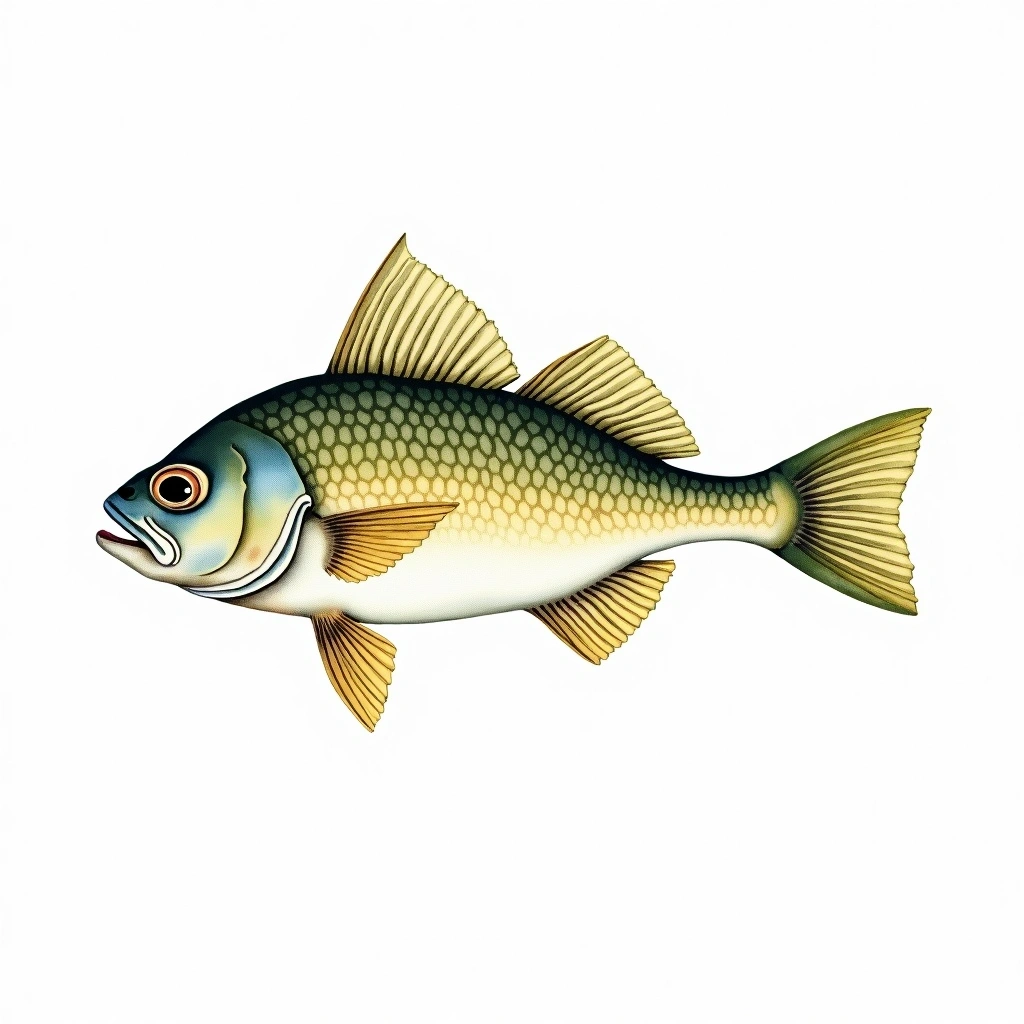
Cardeau d'été
Paralichthys dentatus
Embed This Widget
Add the script tag and a data attribute to embed this widget.
<script src="https://cdn.jsdelivr.net/npm/fishfyi-embed@1/dist/embed.min.js" defer></script>
<div data-fishfyi="fish" data-slug="summer-flounder"></div>Embed via iframe for maximum compatibility.
<iframe src="https://fishfyi.com/iframe/fish/summer-flounder/" width="420" height="400" frameborder="0" style="border:0;border-radius:10px;max-width:100%" loading="lazy"></iframe>Paste this URL in WordPress, Medium, or any oEmbed-compatible platform.
https://fishfyi.com/fish/summer-flounder/Add a dynamic SVG badge to your README or docs.
[](https://fishfyi.com/fish/summer-flounder/)Use the native HTML custom element.
<script src="https://cdn.jsdelivr.net/npm/fishfyi-embed@1/dist/embed.min.js" defer></script>
<fishfyi-fish slug="summer-flounder"></fishfyi-fish>Overview
A left-eyed flatfish of the western North Atlantic, the summer flounder, or fluke, lies camouflaged on the seabed, changing colour to match the substrate. Born symmetrical, it undergoes a striking transformation as one eye migrates to the left side during development. Scattered pale-edged eyespots pattern its upper side, and it grows to about 94 centimetres from Nova Scotia to Florida, migrating offshore to deeper shelf waters in winter and returning to estuaries in summer. An ambush predator, it explodes upward to seize passing prey. Its thin, delicate, sweet white fillets are prized on the United States East Coast, and the species is assessed as Least Concern.
On this page
À propos
The summer flounder, or fluke, is a flatfish that lies camouflaged on the ocean floor. Born with eyes on both sides, one eye migrates to the left side during development. An ambush predator, it explodes upward to grab passing prey.
Physical Description
| Measurement | Value |
|---|---|
| Maximum Length | 94,0 cm |
| Maximum Weight | 12,0 kg |
| Plage de profondeur | 10-183m |
Coloration
Eyed side is brownish to gray-green with a mottled pattern of pale blotches; 12–14 distinct pale-edged dark ocelli (eyespots) scattered across the body; blind side is plain white; color changes with substrate.
Habitat & Distribution
Neritic, demersal, estuaries
Aire de répartition
Western North Atlantic from Nova Scotia south to Florida and the northern Gulf of Mexico. Undertakes seasonal offshore migration to deeper Continental Shelf waters in winter and returns inshore to estuaries in summer.
Conservation Status
Cardeau d'été is classified as Least Concern by the International Union for Conservation of Nature (IUCN).
Comestibilité et gastronomie
Informations sur la pêche
Taxonomy
| Ordre | Pleuronectiformes (Flatfishes) |
| Famille | Paralichthyidae (Large-tooth Flounders) |
| Espèces | Paralichthys dentatus |
Names in Other Languages
| Language | Name |
|---|---|
| French | Cardeau d'été |
| Spanish | Falso halibut del Canadá |
Foire aux questions
Can you eat Cardeau d'été?
How big does Cardeau d'été get?
Where is Cardeau d'été found?
Is Cardeau d'été endangered?
What family does Cardeau d'été belong to?
Similar Fish
Other species in the Paralichthyidae family
External Databases
Explore More
Fish Rankings
Discover the largest, heaviest, and most exciting fish species
Nature FYI Family
Explore more wildlife and biodiversity encyclopedias