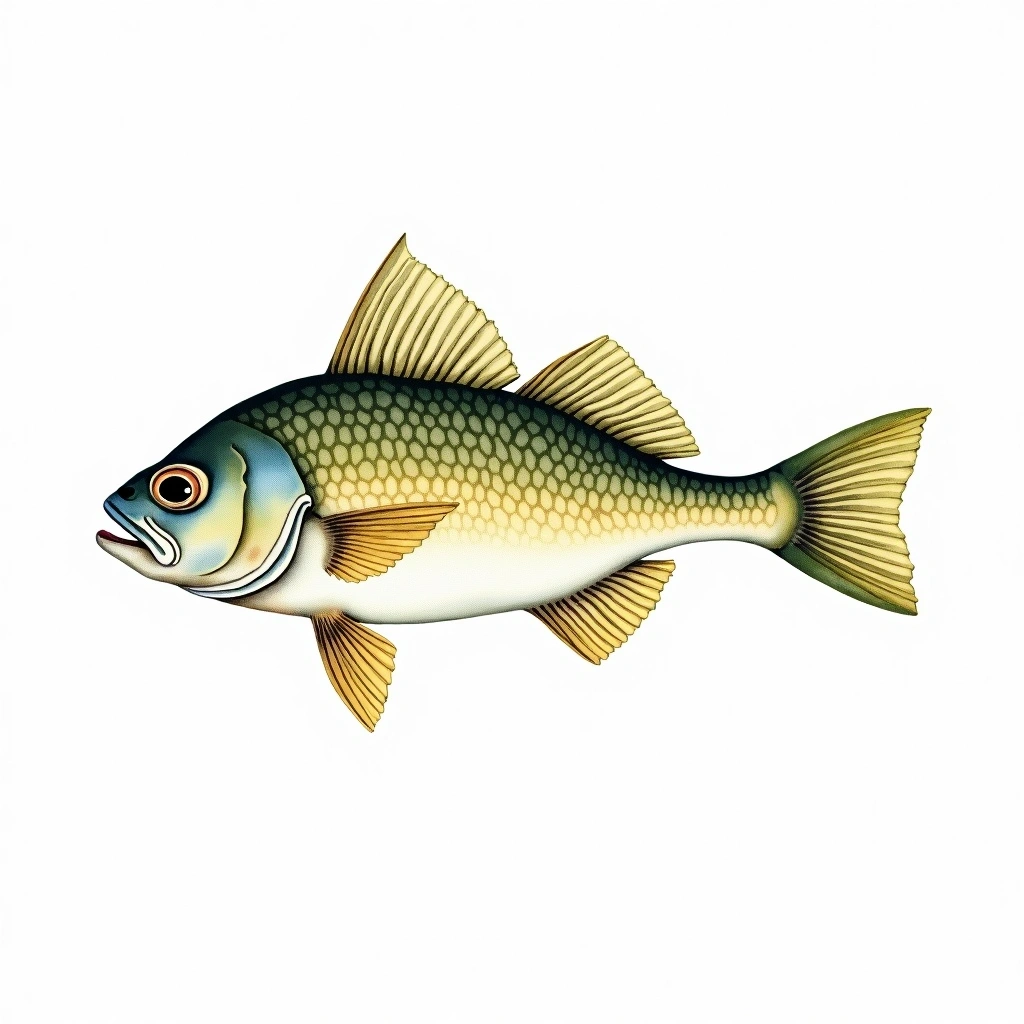
Falso halibut del Canadá
Paralichthys dentatus
Embed This Widget
Add the script tag and a data attribute to embed this widget.
<script src="https://cdn.jsdelivr.net/npm/fishfyi-embed@1/dist/embed.min.js" defer></script>
<div data-fishfyi="fish" data-slug="summer-flounder"></div>Embed via iframe for maximum compatibility.
<iframe src="https://fishfyi.com/iframe/fish/summer-flounder/" width="420" height="400" frameborder="0" style="border:0;border-radius:10px;max-width:100%" loading="lazy"></iframe>Paste this URL in WordPress, Medium, or any oEmbed-compatible platform.
https://fishfyi.com/fish/summer-flounder/Add a dynamic SVG badge to your README or docs.
[](https://fishfyi.com/fish/summer-flounder/)Use the native HTML custom element.
<script src="https://cdn.jsdelivr.net/npm/fishfyi-embed@1/dist/embed.min.js" defer></script>
<fishfyi-fish slug="summer-flounder"></fishfyi-fish>Overview
A left-eyed flatfish of the western North Atlantic, the summer flounder, or fluke, lies camouflaged on the seabed, changing colour to match the substrate. Born symmetrical, it undergoes a striking transformation as one eye migrates to the left side during development. Scattered pale-edged eyespots pattern its upper side, and it grows to about 94 centimetres from Nova Scotia to Florida, migrating offshore to deeper shelf waters in winter and returning to estuaries in summer. An ambush predator, it explodes upward to seize passing prey. Its thin, delicate, sweet white fillets are prized on the United States East Coast, and the species is assessed as Least Concern.
On this page
Acerca de
El falso halibut del Canadá, o fluke, es un pez plano que yace camuflado en el fondo oceánico. Nace con ojos a ambos lados, y uno de ellos migra al lado izquierdo durante el desarrollo. Es un depredador de emboscada que se lanza hacia arriba para atrapar a las presas que pasan.
Physical Description
| Measurement | Value |
|---|---|
| Maximum Length | 94,0 cm |
| Maximum Weight | 12,0 kg |
| Rango de Profundidad | 10-183m |
Coloration
El lado con los ojos es de marrón a gris verdoso con un patrón moteado de manchas pálidas; de 12 a 14 ocelos distintivos de borde pálido dispersos por el cuerpo; el lado ciego es blanco liso; el color cambia según el sustrato.
Habitat & Distribution
Nerítico, demersal, estuarios
Distribución Geográfica
Atlántico Norte occidental, desde Nueva Escocia hacia el sur hasta Florida y el norte del golfo de México. Realiza una migración estacional costa afuera hacia aguas más profundas de la plataforma continental en invierno y regresa a los estuarios costeros en verano.
Conservation Status
Falso halibut del Canadá is classified as Least Concern by the International Union for Conservation of Nature (IUCN).
Comestibilidad y Gastronomía
Información de Pesca
Taxonomy
| Orden | Pleuronectiformes (Flatfishes) |
| Familia | Paralichthyidae (Large-tooth Flounders) |
| Especies | Paralichthys dentatus |
Names in Other Languages
| Language | Name |
|---|---|
| French | Cardeau d'été |
| Spanish | Falso halibut del Canadá |
Preguntas Frecuentes
Can you eat Falso halibut del Canadá?
How big does Falso halibut del Canadá get?
Where is Falso halibut del Canadá found?
Is Falso halibut del Canadá endangered?
What family does Falso halibut del Canadá belong to?
Similar Fish
Other species in the Paralichthyidae family
External Databases
Explore More
Fish Rankings
Discover the largest, heaviest, and most exciting fish species
Nature FYI Family
Explore more wildlife and biodiversity encyclopedias