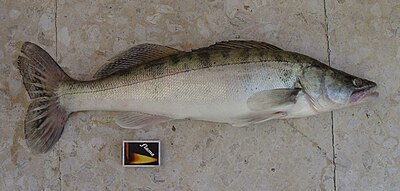
Lucioperca
Sander lucioperca
Embed This Widget
Add the script tag and a data attribute to embed this widget.
<script src="https://cdn.jsdelivr.net/npm/fishfyi-embed@1/dist/embed.min.js" defer></script>
<div data-fishfyi="fish" data-slug="zander"></div>Embed via iframe for maximum compatibility.
<iframe src="https://fishfyi.com/iframe/fish/zander/" width="420" height="400" frameborder="0" style="border:0;border-radius:10px;max-width:100%" loading="lazy"></iframe>Paste this URL in WordPress, Medium, or any oEmbed-compatible platform.
https://fishfyi.com/fish/zander/Add a dynamic SVG badge to your README or docs.
[](https://fishfyi.com/fish/zander/)Use the native HTML custom element.
<script src="https://cdn.jsdelivr.net/npm/fishfyi-embed@1/dist/embed.min.js" defer></script>
<fishfyi-fish slug="zander"></fishfyi-fish>Overview
Often called the European counterpart of the walleye, the zander is a slender, greenish percid whose large, light-gathering eyes make it a crepuscular predator. Marked by eight to ten dark vertical bars and a first dorsal fin of spotted rays, it grows to 1.3 metres in the rivers and large lakes of northern and central Europe and western Asia. It tolerates mildly brackish conditions in the Baltic and Caspian margins and hunts most actively at dawn and dusk. Its lean, firm, almost fat-free white flesh yields easy boneless fillets and is regarded as the finest freshwater eating fish across Central and Eastern Europe. The species is assessed as Least Concern.
On this page
Acerca de
El lucioperca es el equivalente europeo del lucioperca americano y uno de los depredadores de agua dulce más apreciados de Europa. Su excelente visión con poca luz lo convierte en un cazador crepuscular. Su delicada carne blanca se considera entre las mejores de los peces de agua dulce.
Physical Description
| Measurement | Value |
|---|---|
| Maximum Length | 130,0 cm |
| Maximum Weight | 20,0 kg |
| Rango de Profundidad | 2-30m |
Coloration
Cuerpo gris verdoso a oliva con 8 a 10 barras verticales o manchas en silla de un marrón oliva oscuro; los flancos están finamente moteados; el vientre es blanquecino; la primera aleta dorsal tiene radios con manchas oscuras; grandes ojos vidriosos adaptados a la poca luz.
Habitat & Distribution
Estuarios
Distribución Geográfica
Nativo de sistemas fluviales y grandes lagos del norte y centro de Europa y el oeste de Asia, incluidas las cuencas del Volga, el Danubio, el Rin y el mar Báltico. Tolera condiciones ligeramente salobres en los márgenes del Báltico y el mar Caspio.
Países
Distribution Map
Conservation Status
Lucioperca is classified as Least Concern by the International Union for Conservation of Nature (IUCN).
Comestibilidad y Gastronomía
Información de Pesca
Taxonomy
| Orden | Perciformes (Perch-like fishes) |
| Familia | Percidae (Perches) |
| Especies | Sander lucioperca |
Names in Other Languages
| Language | Name |
|---|---|
| Arabic | قشر البياض |
| Chinese (Simplified) | 白梭吻鱸 |
| French | Sandre |
| German | Zander |
| Japanese | ザンダー |
| Korean | 잔더 |
| Russian | обыкновенный судак |
| Spanish | Lucioperca |
| Turkish | Sudak balığı |
Preguntas Frecuentes
Can you eat Lucioperca?
How big does Lucioperca get?
Where is Lucioperca found?
Is Lucioperca endangered?
What family does Lucioperca belong to?
Similar Fish
Other species in the Percidae family
External Databases
Explore More
Fish Rankings
Discover the largest, heaviest, and most exciting fish species
Nature FYI Family
Explore more wildlife and biodiversity encyclopedias