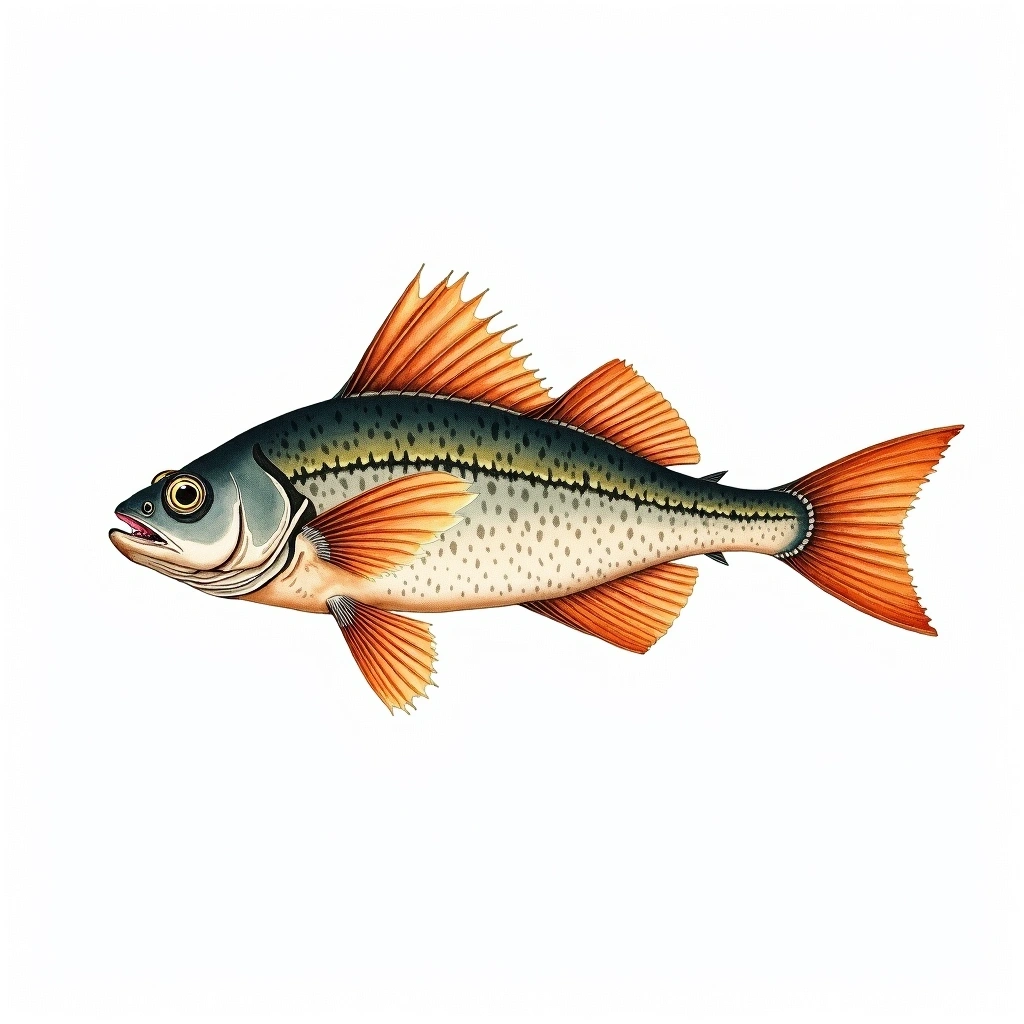
Monkfish
Lophius americanus
Embed This Widget
Add the script tag and a data attribute to embed this widget.
<script src="https://cdn.jsdelivr.net/npm/fishfyi-embed@1/dist/embed.min.js" defer></script>
<div data-fishfyi="fish" data-slug="monkfish"></div>Embed via iframe for maximum compatibility.
<iframe src="https://fishfyi.com/iframe/fish/monkfish/" width="420" height="400" frameborder="0" style="border:0;border-radius:10px;max-width:100%" loading="lazy"></iframe>Paste this URL in WordPress, Medium, or any oEmbed-compatible platform.
https://fishfyi.com/fish/monkfish/Add a dynamic SVG badge to your README or docs.
[](https://fishfyi.com/fish/monkfish/)Use the native HTML custom element.
<script src="https://cdn.jsdelivr.net/npm/fishfyi-embed@1/dist/embed.min.js" defer></script>
<fishfyi-fish slug="monkfish"></fishfyi-fish>Overview
Once discarded as trash fish, the monkfish or goosefish (Lophius americanus) now commands high prices for its tail meat, whose firm, dense, sweet texture earned it the name 'poor man's lobster'. It is a benthic ambush predator with an enormous head and gaping mouth, luring prey within reach using a modified dorsal spine. Brown to greyish-brown mottling and fringed flap edges break up its outline against the sandy and muddy seafloor it lies motionless on. The species ranges through the western North Atlantic from Newfoundland and the Grand Banks south to Brazil, from the surf zone to about 670 metres. The IUCN Red List assesses it as Least Concern.
On this page
Über
The monkfish, or goosefish, is a benthic ambush predator with a comically large head and mouth. Once considered trash fish, its tail meat is now dubbed 'poor man's lobster' for its firm, sweet texture. It lures prey with a modified dorsal spine.
Physical Description
| Measurement | Value |
|---|---|
| Maximum Length | 120,0 cm |
| Maximum Weight | 27,0 kg |
| Tiefenbereich | 0-800m |
Coloration
Brown to grayish-brown dorsal surface with mottled pale blotches and dark marbling for benthic camouflage; fringed flap edges break up the body outline; belly pale white; enormous gaping mouth lined with dark edges.
Habitat & Distribution
Atlantic and Pacific shelves at 50-1000m depth over soft muddy substrates. Lies motionless on the seafloor to ambush prey. Found on both sides of the North Atlantic from Newfoundland to Florida.
Verbreitungsgebiet
Western North Atlantic from Newfoundland and the Grand Banks south to Brazil. Lies camouflaged on sandy and muddy seafloor of the Continental Shelf and upper Slope, ranging from the surf zone to 670 m depth.
Conservation Status
Monkfish is classified as Least Concern by the International Union for Conservation of Nature (IUCN).
Speisefisch & Küche
Angelinformationen
Taxonomy
| Ordnung | Lophiiformes (Anglerfishes) |
| Familie | Lophiidae (Goosefishes & Monkfish) |
| Arten | Lophius americanus |
Names in Other Languages
| Language | Name |
|---|---|
| French | Baudroie d'Amérique |
| Spanish | Rape americano |
Häufig gestellte Fragen
Can you eat Monkfish?
How big does Monkfish get?
Where is Monkfish found?
Is Monkfish endangered?
What family does Monkfish belong to?
Similar Fish
Other species in the Lophiidae family
External Databases
Explore More
Fish Rankings
Discover the largest, heaviest, and most exciting fish species
Nature FYI Family
Explore more wildlife and biodiversity encyclopedias