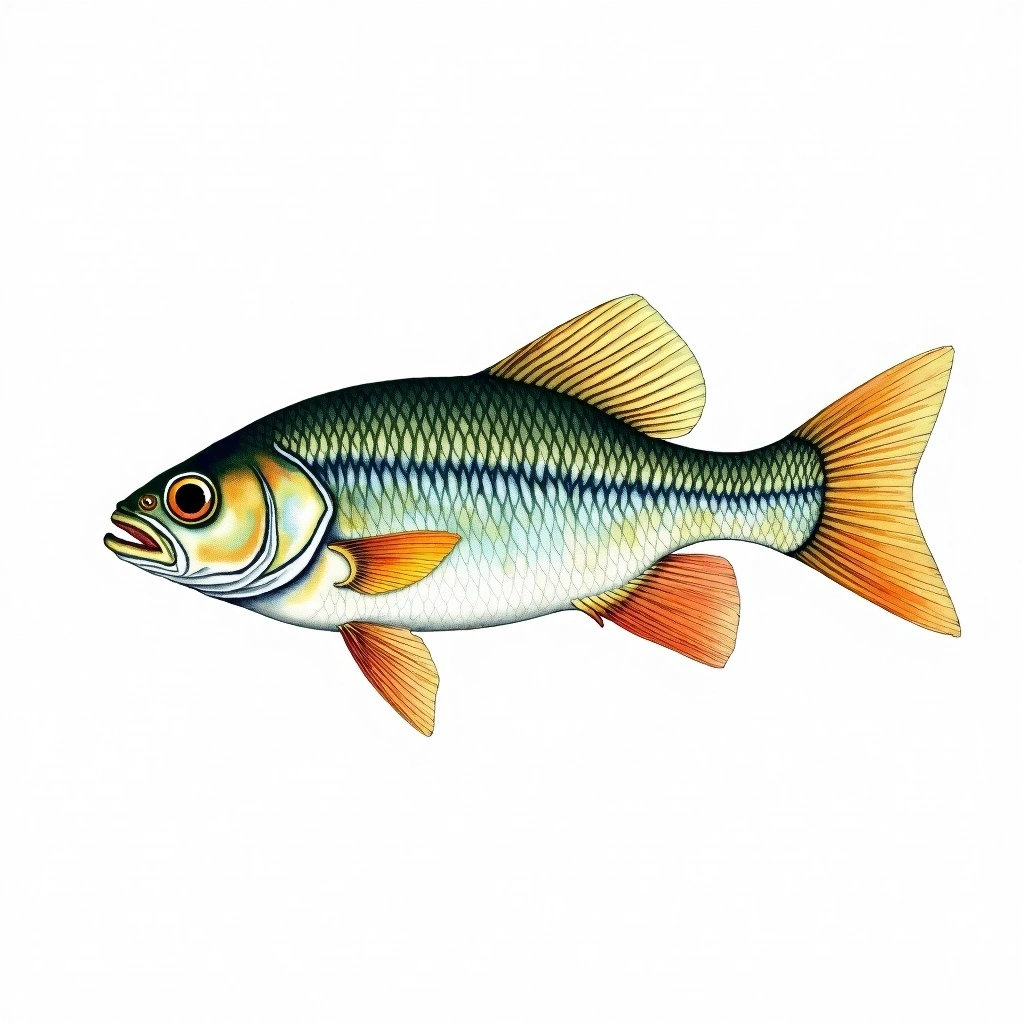
Nile Tilapia
Oreochromis niloticus
Embed This Widget
Add the script tag and a data attribute to embed this widget.
<script src="https://cdn.jsdelivr.net/npm/fishfyi-embed@1/dist/embed.min.js" defer></script>
<div data-fishfyi="fish" data-slug="nile-tilapia"></div>Embed via iframe for maximum compatibility.
<iframe src="https://fishfyi.com/iframe/fish/nile-tilapia/" width="420" height="400" frameborder="0" style="border:0;border-radius:10px;max-width:100%" loading="lazy"></iframe>Paste this URL in WordPress, Medium, or any oEmbed-compatible platform.
https://fishfyi.com/fish/nile-tilapia/Add a dynamic SVG badge to your README or docs.
[](https://fishfyi.com/fish/nile-tilapia/)Use the native HTML custom element.
<script src="https://cdn.jsdelivr.net/npm/fishfyi-embed@1/dist/embed.min.js" defer></script>
<fishfyi-fish slug="nile-tilapia"></fishfyi-fish>Overview
The most widely farmed food fish in the world, the Nile tilapia is cultivated in more than 120 countries and raised on every inhabited continent. Native to the Nile system, Lake Victoria, and other East African Rift lakes, this grayish-green cichlid bears seven to twelve dark vertical bars and reaches about 60 centimetres. Hardy and fast-growing, it tolerates brackish and oxygen-poor water and breeds prolifically as a mouth-brooder, carrying eggs and fry in the buccal cavity. Its mild, slightly sweet, firm white flesh readily absorbs marinades and is grilled, fried, or baked worldwide. Introduced far beyond its native range, the species is assessed as Least Concern.
On this page
Tentang
The Nile tilapia is the most widely farmed fish species in the world, cultivated in over 120 countries. Originally from Africa, it is a hardy, fast-growing mouth-brooder that thrives in a wide range of environmental conditions.
Physical Description
| Measurement | Value |
|---|---|
| Maximum Length | 60,0 cm |
| Maximum Weight | 4,3 kg |
| Kedalaman | 0-20m |
Coloration
Grayish-green to olive body with 7–12 regular dark vertical bars on the flanks; caudal fin shows vertical dark stripes; belly pale gray; breeding males develop a reddish hue on the throat and fins.
Habitat & Distribution
Originally from the Nile River; now globally distributed through aquaculture. Warm, shallow freshwater lakes, ponds, and rivers (20-35°C). Highly adaptable; tolerates brackish water and oxygen-poor conditions.
Sebaran Geografis
Native to the Nile River system, Lake Victoria, and other East African Rift Valley lakes. Introduced globally for aquaculture; now established in tropical and subtropical rivers, lakes, and estuaries on six continents.
Negara
Distribution Map
Conservation Status
Nile Tilapia is classified as Least Concern by the International Union for Conservation of Nature (IUCN).
Kelayakan Makan & Kuliner
Taxonomy
| Ordo | Cichliformes (Cichlids and allies) |
| Famili | Cichlidae (Cichlids) |
| Spesies | Oreochromis niloticus |
Names in Other Languages
| Language | Name |
|---|---|
| French | Tilapia du Nil |
| Spanish | Tilapia del Nilo |
Pertanyaan yang Sering Diajukan
Can you eat Nile Tilapia?
How big does Nile Tilapia get?
Where is Nile Tilapia found?
Is Nile Tilapia endangered?
What family does Nile Tilapia belong to?
Similar Fish
Other species in the Cichlidae family
External Databases
Explore More
Fish Rankings
Discover the largest, heaviest, and most exciting fish species
Nature FYI Family
Explore more wildlife and biodiversity encyclopedias