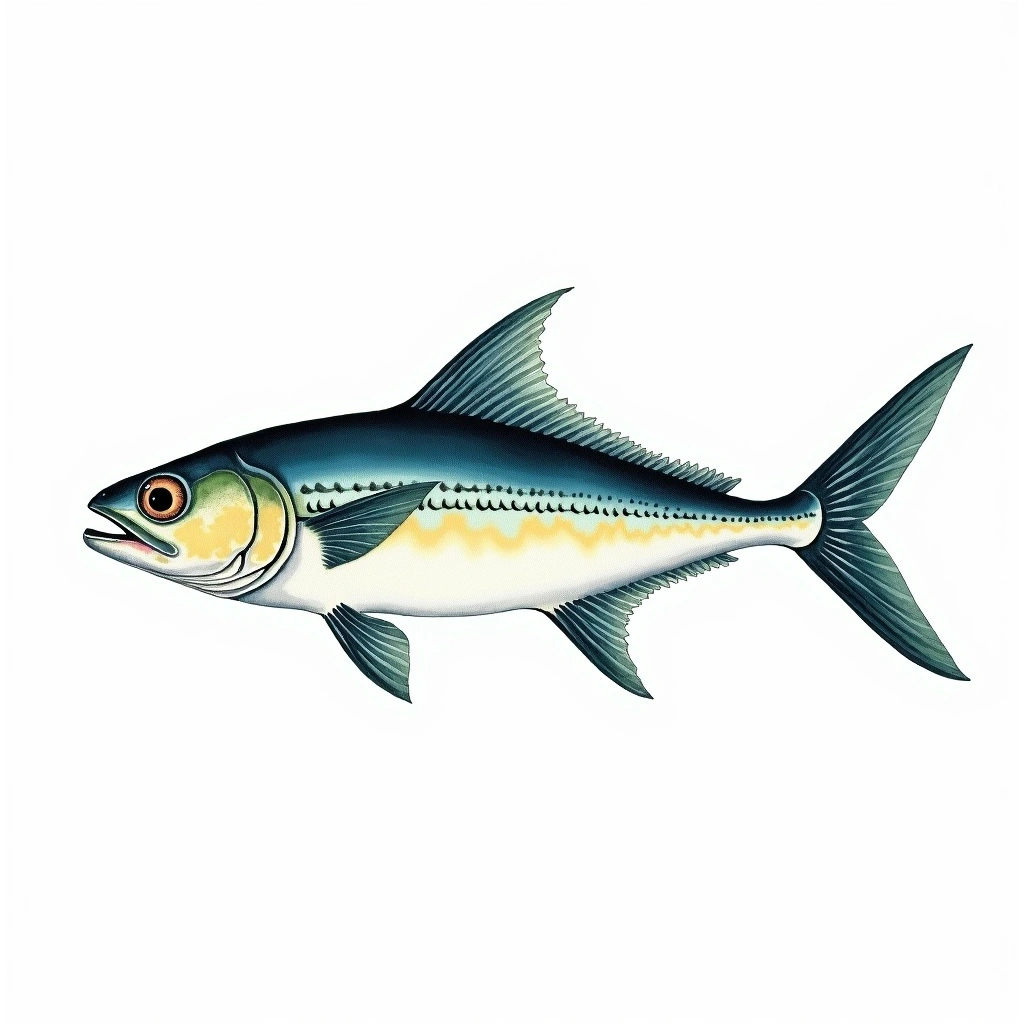
Peto
Acanthocybium solandri
Embed This Widget
Add the script tag and a data attribute to embed this widget.
<script src="https://cdn.jsdelivr.net/npm/fishfyi-embed@1/dist/embed.min.js" defer></script>
<div data-fishfyi="fish" data-slug="wahoo"></div>Embed via iframe for maximum compatibility.
<iframe src="https://fishfyi.com/iframe/fish/wahoo/" width="420" height="400" frameborder="0" style="border:0;border-radius:10px;max-width:100%" loading="lazy"></iframe>Paste this URL in WordPress, Medium, or any oEmbed-compatible platform.
https://fishfyi.com/fish/wahoo/Add a dynamic SVG badge to your README or docs.
[](https://fishfyi.com/fish/wahoo/)Use the native HTML custom element.
<script src="https://cdn.jsdelivr.net/npm/fishfyi-embed@1/dist/embed.min.js" defer></script>
<fishfyi-fish slug="wahoo"></fishfyi-fish>Overview
One of the swiftest fishes in the sea, the wahoo can reach speeds near 97 kilometres per hour on its elongated, torpedo-shaped body. Iridescent blue-green above with tiger-like vertical bars that vanish soon after death, it grows to 2.5 metres in clear offshore waters worldwide. It favours reef drop-offs, current edges, and the vicinity of oceanic islands across the Caribbean, Hawaii, and Indo-Pacific, where its razor-sharp teeth make it an efficient solitary predator. Delicate, flaky, and very lean, its white flesh is among the finest of sport fishes, best grilled, seared, or served as ceviche. Fast-growing and widespread, the species is assessed as Least Concern.
On this page
Acerca de
El peto es uno de los peces más veloces del océano, capaz de alcanzar los 97 km/h. Su cuerpo alargado en forma de torpedo y sus dientes afilados como cuchillas lo convierten en un depredador pelágico eficiente, presente en aguas tropicales y subtropicales de todo el mundo.
Physical Description
| Measurement | Value |
|---|---|
| Maximum Length | 250,0 cm |
| Maximum Weight | 83,0 kg |
| Rango de Profundidad | 0-20m |
Coloration
Dorso azul-verdoso oscuro e iridiscente con vientre blanco plateado; distintivas barras verticales azules o grises, como de tigre, y manchas a lo largo de los flancos que se desvanecen rápidamente tras la muerte; las aletas son apagadas.
Habitat & Distribution
Pelágico
Distribución Geográfica
Circumglobal en aguas tropicales y subtropicales de todas las grandes cuencas oceánicas. Prefiere aguas costa afuera claras alrededor de islas oceánicas, caídas de arrecife y bordes de corriente en el Caribe, Hawái y el Indo-Pacífico.
Conservation Status
Peto is classified as Least Concern by the International Union for Conservation of Nature (IUCN).
Comestibilidad y Gastronomía
Información de Pesca
Temporadas de Pesca
Taxonomy
| Orden | Scombriformes (Mackerels and tunas) |
| Familia | Scombridae (Mackerels and tunas) |
| Especies | Acanthocybium solandri |
Names in Other Languages
| Language | Name |
|---|---|
| French | Thazard-bâtard |
| Spanish | Peto |
Preguntas Frecuentes
Can you eat Peto?
How big does Peto get?
Where is Peto found?
Is Peto endangered?
What family does Peto belong to?
Similar Fish
Other species in the Scombridae family
External Databases
Explore More
Fish Rankings
Discover the largest, heaviest, and most exciting fish species
Nature FYI Family
Explore more wildlife and biodiversity encyclopedias