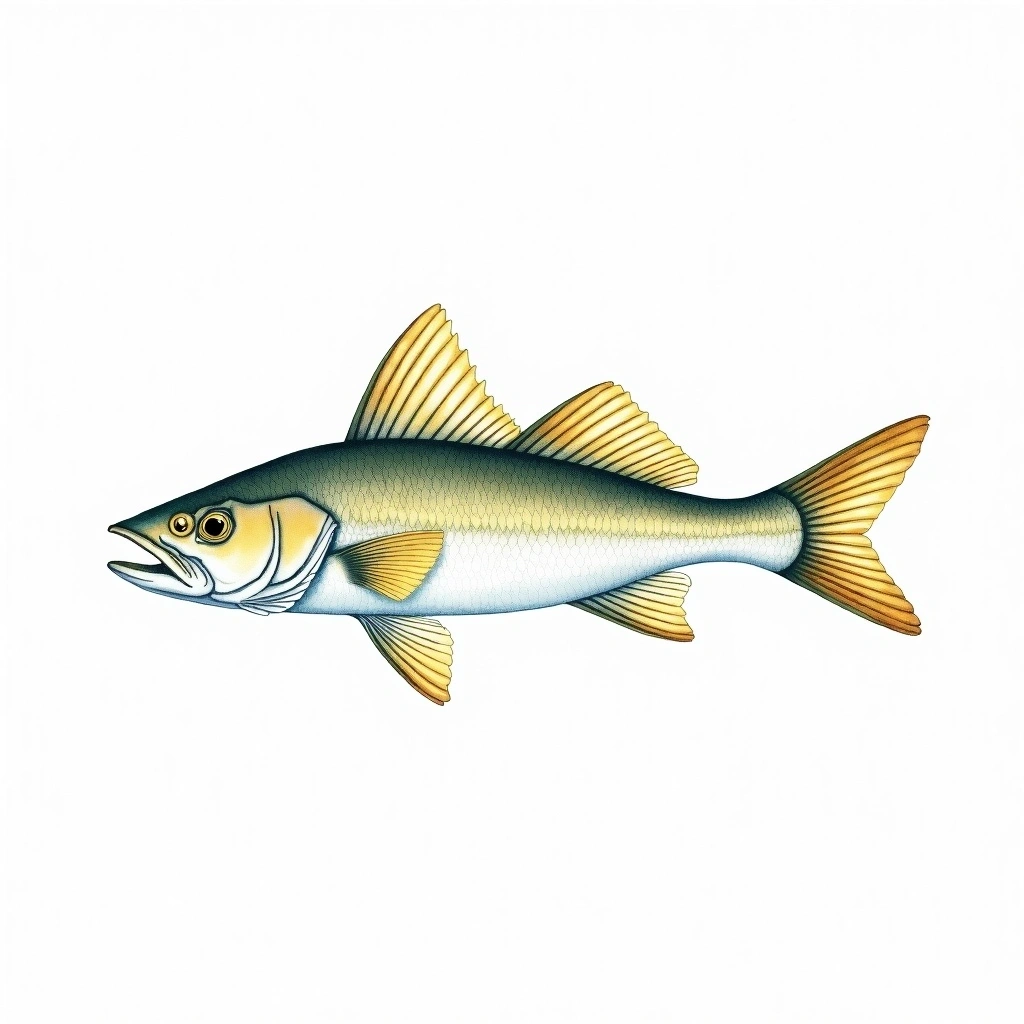
Banane de mer
Albula vulpes
Embed This Widget
Add the script tag and a data attribute to embed this widget.
<script src="https://cdn.jsdelivr.net/npm/fishfyi-embed@1/dist/embed.min.js" defer></script>
<div data-fishfyi="fish" data-slug="bonefish"></div>Embed via iframe for maximum compatibility.
<iframe src="https://fishfyi.com/iframe/fish/bonefish/" width="420" height="400" frameborder="0" style="border:0;border-radius:10px;max-width:100%" loading="lazy"></iframe>Paste this URL in WordPress, Medium, or any oEmbed-compatible platform.
https://fishfyi.com/fish/bonefish/Add a dynamic SVG badge to your README or docs.
[](https://fishfyi.com/fish/bonefish/)Use the native HTML custom element.
<script src="https://cdn.jsdelivr.net/npm/fishfyi-embed@1/dist/embed.min.js" defer></script>
<fishfyi-fish slug="bonefish"></fishfyi-fish>Overview
The premier quarry of shallow saltwater flats, the bonefish is a silvery, torpedo-shaped fish famed among fly anglers for a blistering initial run once hooked. Highly iridescent with faint dusky streaks along the scale rows, it grows to about 77 centimetres in tropical and subtropical shallows worldwide. It feeds head-down, rooting through sand and marl for crustaceans and molluscs on tidal flats, mangrove lagoons, and sandy bays from Florida and the Bahamas to Indo-Pacific atolls. Its flesh is edible but riddled with fine bones, so the species is caught almost exclusively for sport and released. Assessed as Near Threatened, it anchors a valuable catch-and-release flats fishery built around shrimp flies and crab patterns.
On this page
À propos
The bonefish is the premier shallow-water flats species, prized by fly fishers for its blistering initial run. Found in tropical shallows worldwide, it feeds by rooting in sand and marl for crustaceans and mollusks.
Physical Description
| Measurement | Value |
|---|---|
| Maximum Length | 77,0 cm |
| Maximum Weight | 6,4 kg |
| Plage de profondeur | 0-84m |
Coloration
Highly iridescent silvery-white flanks with faint olive-green back; narrow dusky streaks follow scale rows along the upper body; fins are largely transparent with a pale yellowish tinge.
Habitat & Distribution
Neritic, estuaries
Aire de répartition
Cosmopolitan in tropical and subtropical coastal waters of the Atlantic, Pacific, and Indian oceans. Favors shallow tidal flats, mangrove lagoons, and sandy bays in Florida, Bahamas, and Indo-Pacific atolls.
Conservation Status
Banane de mer is classified as Near Threatened by the International Union for Conservation of Nature (IUCN).
Comestibilité et gastronomie
Informations sur la pêche
Saisons de pêche
Taxonomy
| Ordre | Albuliformes (Bonefishes) |
| Famille | Albulidae (Bonefishes) |
| Espèces | Albula vulpes |
Names in Other Languages
| Language | Name |
|---|---|
| French | Banane de mer |
| Spanish | Macabí |
Foire aux questions
Can you eat Banane de mer?
How big does Banane de mer get?
Where is Banane de mer found?
Is Banane de mer endangered?
What family does Banane de mer belong to?
Similar Fish
Other species in the Albulidae family
External Databases
Explore More
Fish Rankings
Discover the largest, heaviest, and most exciting fish species
Nature FYI Family
Explore more wildlife and biodiversity encyclopedias