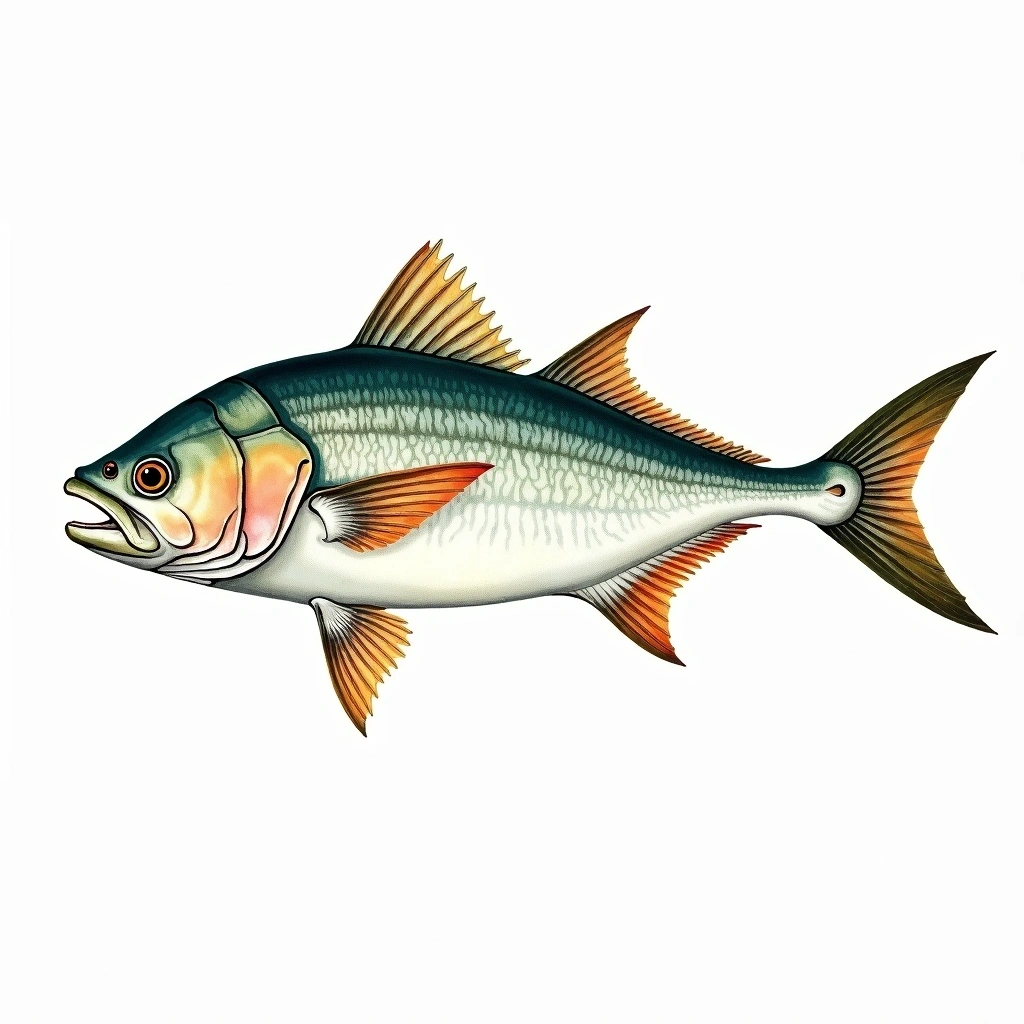
Greater Amberjack
Seriola dumerili
Embed This Widget
Add the script tag and a data attribute to embed this widget.
<script src="https://cdn.jsdelivr.net/npm/fishfyi-embed@1/dist/embed.min.js" defer></script>
<div data-fishfyi="fish" data-slug="greater-amberjack"></div>Embed via iframe for maximum compatibility.
<iframe src="https://fishfyi.com/iframe/fish/greater-amberjack/" width="420" height="400" frameborder="0" style="border:0;border-radius:10px;max-width:100%" loading="lazy"></iframe>Paste this URL in WordPress, Medium, or any oEmbed-compatible platform.
https://fishfyi.com/fish/greater-amberjack/Add a dynamic SVG badge to your README or docs.
[](https://fishfyi.com/fish/greater-amberjack/)Use the native HTML custom element.
<script src="https://cdn.jsdelivr.net/npm/fishfyi-embed@1/dist/embed.min.js" defer></script>
<fishfyi-fish slug="greater-amberjack"></fishfyi-fish>Overview
Largest of the jacks, the greater amberjack is a muscular, deep-diving predator named for the amber-gold stripe that runs from eye to tail. It gathers around deepwater reefs, wrecks, and offshore platforms at 18 to 70 metres in warm seas worldwide, including the Atlantic, Mediterranean, Indian Ocean, and Pacific. Reaching two metres and 80 kilograms, it is notorious among anglers for brutal head-shaking runs toward structure. Its firm, rich flesh, related to the prized Japanese hamachi, can carry parasites in tropical waters and is best thoroughly cooked. The species is assessed as Least Concern and remains a mainstay of offshore sport fishing on live bait and vertical jigs.
On this page
About
The greater amberjack is the largest of the jacks, known for brutal head-shaking fights and powerful dives toward structure. Found near reefs, wrecks, and offshore platforms in tropical and subtropical waters worldwide.
Physical Description
| Measurement | Value |
|---|---|
| Maximum Length | 200.0 cm |
| Maximum Weight | 80.6 kg |
| Depth Range | 1-385m |
Coloration
Olive-green to bluish back with a wide amber to golden-yellow mid-lateral stripe running from eye to tail; silvery-white belly; a dark diagonal stripe extends from snout through the eye to the dorsal fin.
Habitat & Distribution
Pelagic, coral reefs
Geographic Range
Circumglobal in tropical and subtropical waters including the Atlantic, Mediterranean Sea, Indian Ocean, and Pacific. Commonly found around deepwater reefs, rocky outcrops, and offshore oil platforms at 18–70 m depth.
Conservation Status
Greater Amberjack is classified as Least Concern by the International Union for Conservation of Nature (IUCN).
Edibility & Culinary
Fishing Information
Taxonomy
| Order | Carangiformes (Jacks and pompanos) |
| Family | Carangidae (Jacks and pompanos) |
| Species | Seriola dumerili |
Names in Other Languages
| Language | Name |
|---|---|
| French | Sériole couronnée |
| Spanish | Pez de limón |
Frequently Asked Questions
Can you eat Greater Amberjack?
How big does Greater Amberjack get?
Where is Greater Amberjack found?
Is Greater Amberjack endangered?
What family does Greater Amberjack belong to?
Similar Fish
Other species in the Carangidae family
External Databases
Explore More
Fish Rankings
Discover the largest, heaviest, and most exciting fish species
Nature FYI Family
Explore more wildlife and biodiversity encyclopedias