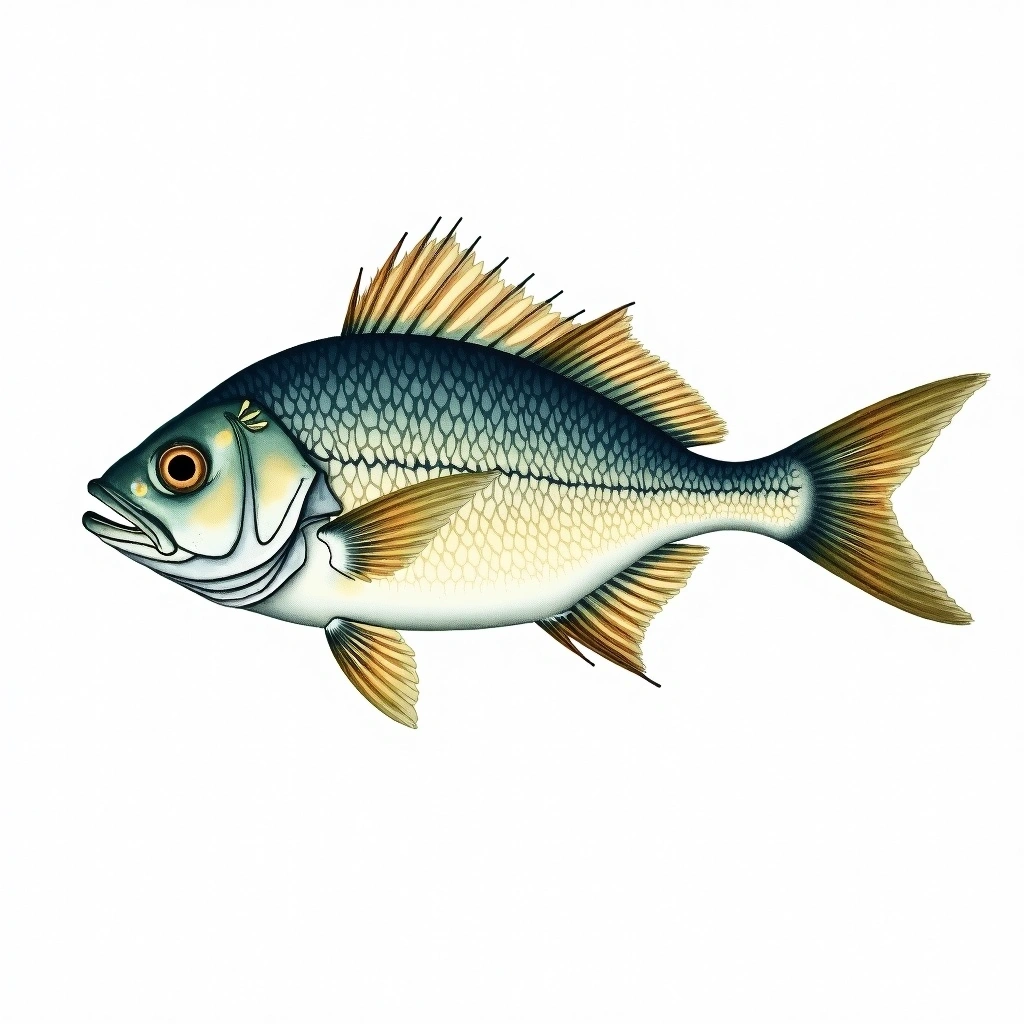
Besugo japonés
Pagrus major
Embed This Widget
Add the script tag and a data attribute to embed this widget.
<script src="https://cdn.jsdelivr.net/npm/fishfyi-embed@1/dist/embed.min.js" defer></script>
<div data-fishfyi="fish" data-slug="red-sea-bream"></div>Embed via iframe for maximum compatibility.
<iframe src="https://fishfyi.com/iframe/fish/red-sea-bream/" width="420" height="400" frameborder="0" style="border:0;border-radius:10px;max-width:100%" loading="lazy"></iframe>Paste this URL in WordPress, Medium, or any oEmbed-compatible platform.
https://fishfyi.com/fish/red-sea-bream/Add a dynamic SVG badge to your README or docs.
[](https://fishfyi.com/fish/red-sea-bream/)Use the native HTML custom element.
<script src="https://cdn.jsdelivr.net/npm/fishfyi-embed@1/dist/embed.min.js" defer></script>
<fishfyi-fish slug="red-sea-bream"></fishfyi-fish>Overview
Known in Japan as tai and revered as a king of fish, the red sea bream is a rose-pink sparid flecked with iridescent blue spots above the lateral line. It inhabits rocky reefs and sandy bays at 10 to 200 metres in the northwestern Pacific from the Yellow Sea to southern Japan and the Philippines, and is central to Japanese aquaculture. Growing to about a metre, it holds deep cultural significance and is traditionally served at weddings and celebrations. Its delicate, sweet, low-fat white flesh is esteemed for sashimi and sushi as well as whole-grilled or steamed preparations. Carefully cultivated, the species is assessed as Least Concern.
On this page
Acerca de
El besugo japonés, conocido como 'tai' en Japón, se considera el rey de los peces en la cocina japonesa. Tiene un profundo significado cultural y tradicionalmente se sirve en celebraciones. Su delicada carne blanca se aprecia para sashimi y sushi.
Physical Description
| Measurement | Value |
|---|---|
| Maximum Length | 100,0 cm |
| Maximum Weight | 9,7 kg |
| Rango de Profundidad | 10-200m |
Coloration
Cuerpo de un rosa pálido a rosa plateado en general, con pequeñas manchas azules iridiscentes en las escamas por encima de la línea lateral; aleta dorsal de un rosa-rojo brillante; mancha oscura característica en el origen de la aleta dorsal en los juveniles.
Habitat & Distribution
Aguas costeras someras y bahías del Pacífico occidental, desde Japón hasta el sudeste asiático. Habita sustratos rocosos y arenosos a 10-200 m de profundidad. Costero y semipelágico; importante en la acuicultura japonesa.
Distribución Geográfica
Pacífico noroccidental, desde el mar Amarillo y el mar de China Oriental hasta el sur de Japón y Filipinas. Habita arrecifes rocosos costeros, bahías arenosas y hábitats de borde salobre a profundidades de 10-200 m.
Países
Distribution Map
Conservation Status
Besugo japonés is classified as Least Concern by the International Union for Conservation of Nature (IUCN).
Comestibilidad y Gastronomía
Información de Pesca
Taxonomy
| Orden | Perciformes (Perch-like fishes) |
| Familia | Sparidae (Sea breams and porgies) |
| Especies | Pagrus major |
Names in Other Languages
| Language | Name |
|---|---|
| French | Dorade japonaise |
| Spanish | Besugo japonés |
Preguntas Frecuentes
Can you eat Besugo japonés?
How big does Besugo japonés get?
Where is Besugo japonés found?
Is Besugo japonés endangered?
What family does Besugo japonés belong to?
Similar Fish
Other species in the Sparidae family
External Databases
Explore More
Fish Rankings
Discover the largest, heaviest, and most exciting fish species
Nature FYI Family
Explore more wildlife and biodiversity encyclopedias