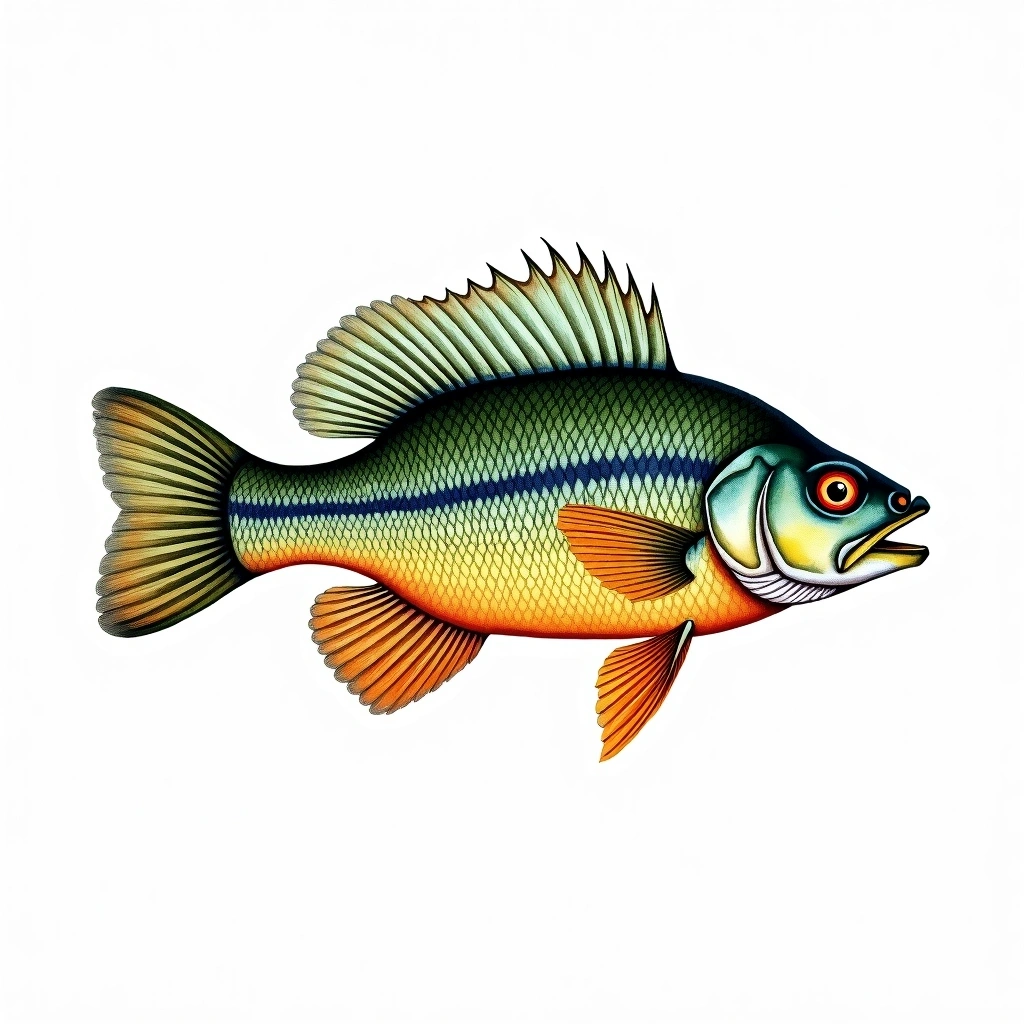
Pavón
Cichla temensis
Embed This Widget
Add the script tag and a data attribute to embed this widget.
<script src="https://cdn.jsdelivr.net/npm/fishfyi-embed@1/dist/embed.min.js" defer></script>
<div data-fishfyi="fish" data-slug="peacock-bass"></div>Embed via iframe for maximum compatibility.
<iframe src="https://fishfyi.com/iframe/fish/peacock-bass/" width="420" height="400" frameborder="0" style="border:0;border-radius:10px;max-width:100%" loading="lazy"></iframe>Paste this URL in WordPress, Medium, or any oEmbed-compatible platform.
https://fishfyi.com/fish/peacock-bass/Add a dynamic SVG badge to your README or docs.
[](https://fishfyi.com/fish/peacock-bass/)Use the native HTML custom element.
<script src="https://cdn.jsdelivr.net/npm/fishfyi-embed@1/dist/embed.min.js" defer></script>
<fishfyi-fish slug="peacock-bass"></fishfyi-fish>Overview
A large cichlid rather than a true bass, the peacock bass ranks among the most sought-after sport fish of the Amazon. Golden to olive-green with three bold dark bars and a gold-ringed black eyespot at the tail, it reaches a metre in blackwater rivers, flooded forests, and lagoons of Venezuela, Colombia, and Brazil. It is famed for explosive topwater strikes and drag-screaming runs that test heavy tackle. Its firm, clean, low-fat white flesh is a valued table fish throughout Amazonian cooking, grilled or pan-fried with citrus. Breeding males develop a pronounced nuchal hump, and the species is assessed as Least Concern.
On this page
Acerca de
El pavón es la joya de la pesca deportiva de la cuenca amazónica. A pesar de su nombre, en realidad es un gran cíclido. Conocido por sus ataques explosivos en superficie y sus potentes carreras que hacen chillar el freno del carrete, en ríos y lagunas tropicales.
Physical Description
| Measurement | Value |
|---|---|
| Maximum Length | 100,0 cm |
| Maximum Weight | 12,7 kg |
Coloration
Cuerpo dorado-amarillento a verde oliva con tres barras verticales oscuras y marcadas en los flancos; un llamativo ocelo negro bordeado de dorado en la base de la cola; los machos reproductores desarrollan una prominente joroba nucal.
Habitat & Distribution
Nativo de ríos del sudeste asiático, incluida la cuenca del Mekong. Agua dulce cálida y de corriente lenta con sustratos blandos. Introducido en sistemas de acuicultura tropical en todo el mundo. Tolera un amplio rango de temperatura (22-30 °C).
Distribución Geográfica
Nativo de la cuenca del río Amazonas y del sistema del río Orinoco en Sudamérica, incluyendo Venezuela, Colombia y Brasil. Habita ríos de aguas negras, bosques inundados y grandes canales de ríos tropicales.
Países
Distribution Map
Conservation Status
Pavón is classified as Least Concern by the International Union for Conservation of Nature (IUCN).
Comestibilidad y Gastronomía
Información de Pesca
Temporadas de Pesca
Taxonomy
| Orden | Cichliformes (Cichlids and allies) |
| Familia | Cichlidae (Cichlids) |
| Especies | Cichla temensis |
Names in Other Languages
| Language | Name |
|---|---|
| Spanish | Pavón |
Preguntas Frecuentes
Can you eat Pavón?
How big does Pavón get?
Where is Pavón found?
Is Pavón endangered?
What family does Pavón belong to?
Similar Fish
Other species in the Cichlidae family
External Databases
Explore More
Fish Rankings
Discover the largest, heaviest, and most exciting fish species
Nature FYI Family
Explore more wildlife and biodiversity encyclopedias