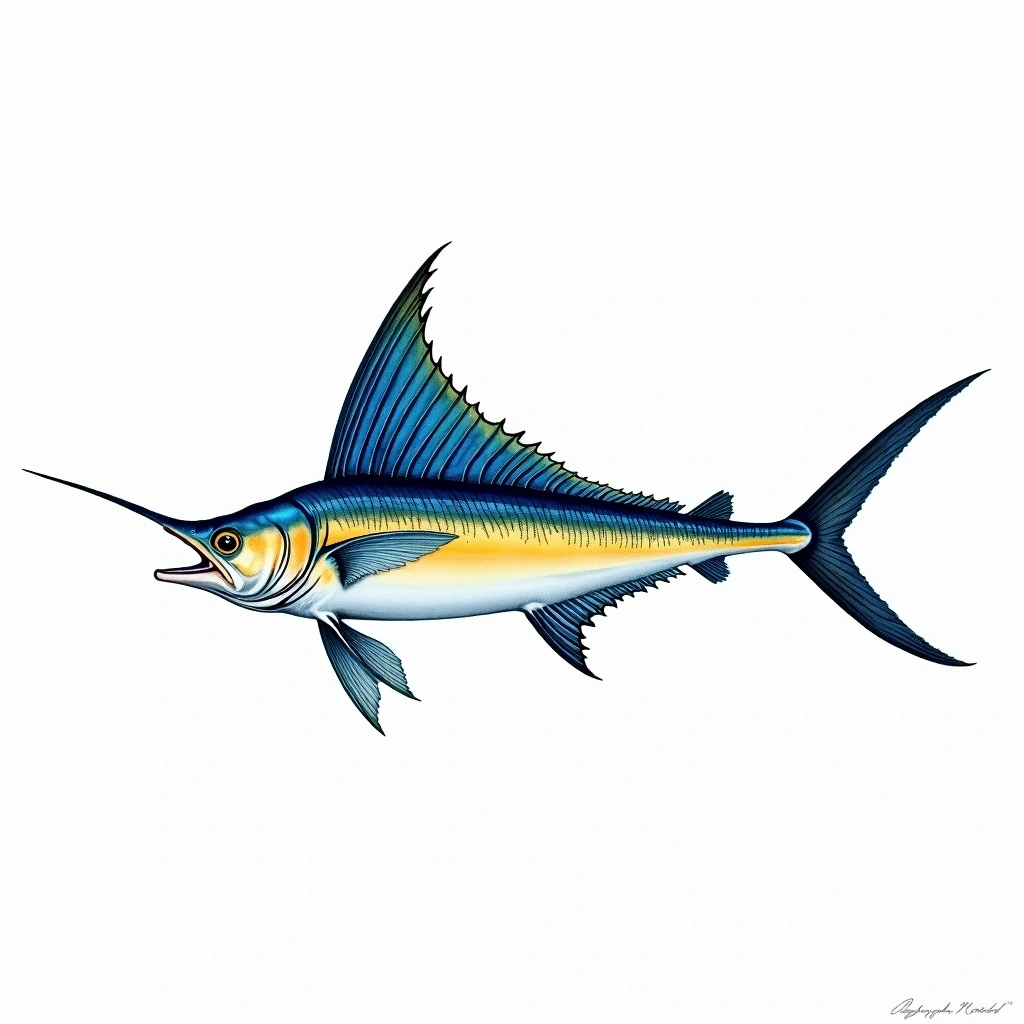
Pez vela del Indo-Pacífico
Istiophorus platypterus
Embed This Widget
Add the script tag and a data attribute to embed this widget.
<script src="https://cdn.jsdelivr.net/npm/fishfyi-embed@1/dist/embed.min.js" defer></script>
<div data-fishfyi="fish" data-slug="atlantic-sailfish"></div>Embed via iframe for maximum compatibility.
<iframe src="https://fishfyi.com/iframe/fish/atlantic-sailfish/" width="420" height="400" frameborder="0" style="border:0;border-radius:10px;max-width:100%" loading="lazy"></iframe>Paste this URL in WordPress, Medium, or any oEmbed-compatible platform.
https://fishfyi.com/fish/atlantic-sailfish/Add a dynamic SVG badge to your README or docs.
[](https://fishfyi.com/fish/atlantic-sailfish/)Use the native HTML custom element.
<script src="https://cdn.jsdelivr.net/npm/fishfyi-embed@1/dist/embed.min.js" defer></script>
<fishfyi-fish slug="atlantic-sailfish"></fishfyi-fish>Overview
Widely regarded as the fastest fish in the ocean, the sailfish has been credited with bursts approaching 110 kilometres per hour across warm surface waters. Its defining feature is an enormous cobalt-blue dorsal fin, spotted with black and raised like a sail to corral schooling baitfish, which cooperating fish herd before striking. Reaching 3.4 metres, it ranges through the tropical and subtropical Atlantic, from the Gulf of Mexico and Caribbean to the West African coast, near warm thermocline boundaries. When hooked it tail-walks spectacularly across the surface, a display that makes it a premier billfish for sport anglers, who almost always release it. Edible when smoked or grilled but rarely targeted for food, the species is assessed as Least Concern.
On this page
Acerca de
El pez vela es el pez más veloz del océano, y alcanza velocidades de hasta 110 km/h. Su enorme aleta dorsal, o «vela», puede erguirse para arrear a los peces cebo. Al ser enganchado, realiza espectaculares exhibiciones caminando sobre la cola por la superficie del agua.
Physical Description
| Measurement | Value |
|---|---|
| Maximum Length | 340,0 cm |
| Maximum Weight | 100,0 kg |
| Rango de Profundidad | 0-200m |
Coloration
Dorso y flancos superiores de un azul cobalto oscuro con vientre blanco plateado; la icónica y alta aleta dorsal en forma de vela es de color azul cobalto, adornada con pequeñas manchas negras redondas; los flancos muestran tenues barras verticales iridiscentes pálidas cuando el pez está excitado.
Habitat & Distribution
Nerítico, pelágico, arrecifes de coral
Distribución Geográfica
Océano Atlántico tropical y subtropical, incluidos el golfo de México, el mar Caribe y la costa de África occidental; formas estrechamente emparentadas se encuentran en todo el Indo-Pacífico. Prefiere aguas superficiales cálidas cerca de los límites de la termoclina.
Conservation Status
Pez vela del Indo-Pacífico is classified as Least Concern by the International Union for Conservation of Nature (IUCN).
Comestibilidad y Gastronomía
Información de Pesca
Taxonomy
| Orden | Istiophoriformes (Marlins and swordfish) |
| Familia | Istiophoridae (Marlins and sailfish) |
| Especies | Istiophorus platypterus |
Names in Other Languages
| Language | Name |
|---|---|
| French | Voilier indo-pacifique |
| Spanish | Pez vela del Indo-Pacífico |
Preguntas Frecuentes
Can you eat Pez vela del Indo-Pacífico?
How big does Pez vela del Indo-Pacífico get?
Where is Pez vela del Indo-Pacífico found?
Is Pez vela del Indo-Pacífico endangered?
What family does Pez vela del Indo-Pacífico belong to?
Similar Fish
Other species in the Istiophoridae family
External Databases
Explore More
Fish Rankings
Discover the largest, heaviest, and most exciting fish species
Nature FYI Family
Explore more wildlife and biodiversity encyclopedias