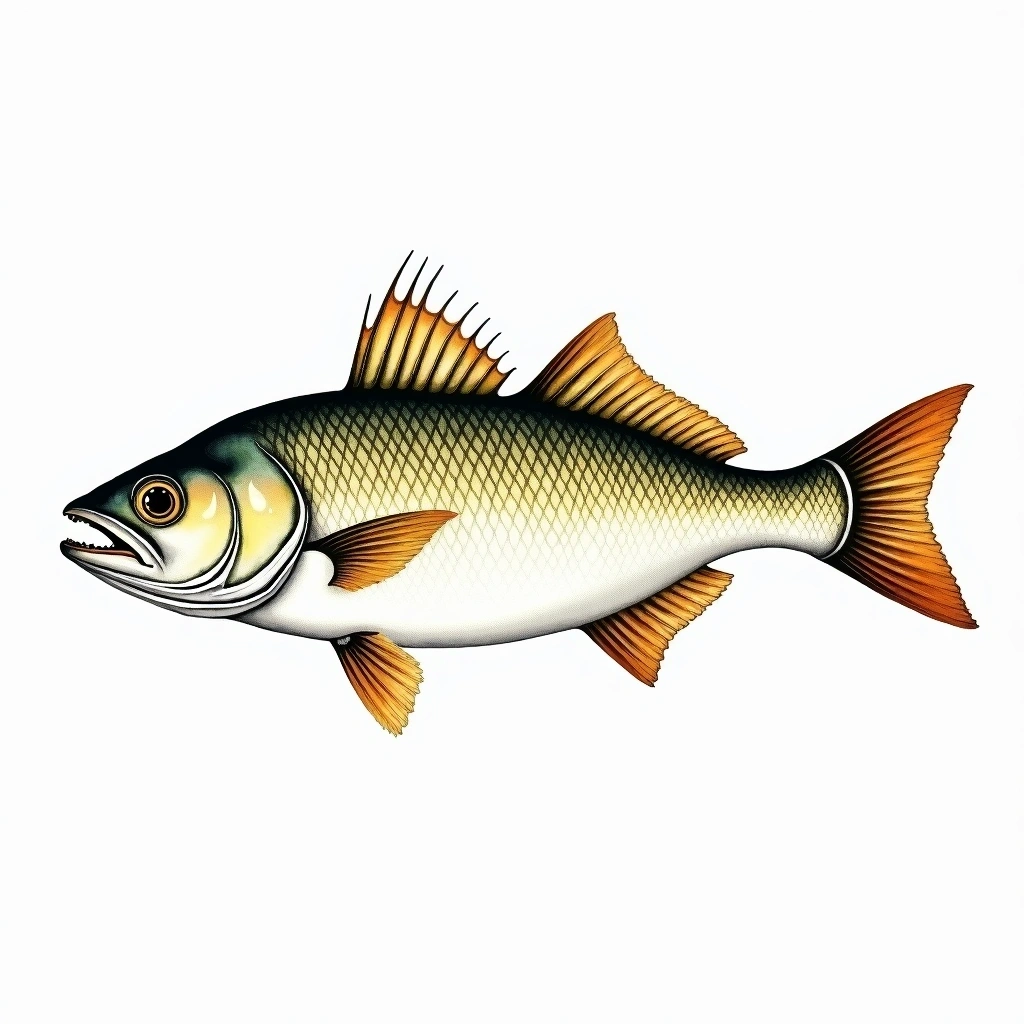
Bacalao del Atlántico
Gadus morhua
Embed This Widget
Add the script tag and a data attribute to embed this widget.
<script src="https://cdn.jsdelivr.net/npm/fishfyi-embed@1/dist/embed.min.js" defer></script>
<div data-fishfyi="fish" data-slug="atlantic-cod"></div>Embed via iframe for maximum compatibility.
<iframe src="https://fishfyi.com/iframe/fish/atlantic-cod/" width="420" height="400" frameborder="0" style="border:0;border-radius:10px;max-width:100%" loading="lazy"></iframe>Paste this URL in WordPress, Medium, or any oEmbed-compatible platform.
https://fishfyi.com/fish/atlantic-cod/Add a dynamic SVG badge to your README or docs.
[](https://fishfyi.com/fish/atlantic-cod/)Use the native HTML custom element.
<script src="https://cdn.jsdelivr.net/npm/fishfyi-embed@1/dist/embed.min.js" defer></script>
<fishfyi-fish slug="atlantic-cod"></fishfyi-fish>Overview
A cold-water groundfish of the North Atlantic, the Atlantic cod carries three distinct dorsal fins, two anal fins, and a pale, clearly marked lateral line over a speckled olive-brown back. Historically abundant from the Grand Banks of Newfoundland to Iceland, Norway, and the Barents Sea, it grows to two metres and 96 kilograms. Its mild, flaky white flesh has anchored European diets for centuries, forming the basis of both salt cod and fish-and-chips. Relentless twentieth-century trawling drove the collapse of the Grand Banks fishery in 1992, and the species is now assessed as Vulnerable, so sustainable sourcing is strongly advised. It remains one of the most historically consequential commercial fishes in the North Atlantic.
On this page
Acerca de
El bacalao del Atlántico es una de las especies comerciales de mayor importancia histórica. Su carne blanca, suave y escamosa ha sido un alimento básico en Europa durante siglos. La sobrepesca provocó el colapso de la pesquería de los Grand Banks en 1992.
Physical Description
| Measurement | Value |
|---|---|
| Maximum Length | 200,0 cm |
| Maximum Weight | 96,0 kg |
| Rango de Profundidad | 0-600m |
Coloration
Dorso marrón a verde oliva o grisáceo densamente moteado con pequeñas manchas pálidas; la línea lateral pálida es claramente visible; el vientre es blanco a color crema; las tres aletas dorsales y las dos anales son de un tono tostado amarillento.
Habitat & Distribution
Nerítico, estuarios
Distribución Geográfica
Atlántico Norte, desde el mar del Labrador y los Grand Banks de Terranova hacia el este hasta Islandia, Noruega y el mar de Barents. Históricamente abundante en los bancos de Georges y Flemish Cap; severamente sobrepescado en el siglo XX.
Distribution Map
Conservation Status
Bacalao del Atlántico is classified as Vulnerable by the International Union for Conservation of Nature (IUCN).
Bacalao del Atlántico faces significant threats to its wild populations.
Comestibilidad y Gastronomía
Información de Pesca
Taxonomy
| Orden | Gadiformes (Cods) |
| Familia | Gadidae (Cods) |
| Especies | Gadus morhua |
Names in Other Languages
| Language | Name |
|---|---|
| French | Morue de l'Atlantique |
| Spanish | Bacalao del Atlántico |
Preguntas Frecuentes
Can you eat Bacalao del Atlántico?
How big does Bacalao del Atlántico get?
Where is Bacalao del Atlántico found?
Is Bacalao del Atlántico endangered?
What family does Bacalao del Atlántico belong to?
Similar Fish
Other species in the Gadidae family
External Databases
Explore More
Fish Rankings
Discover the largest, heaviest, and most exciting fish species
Nature FYI Family
Explore more wildlife and biodiversity encyclopedias