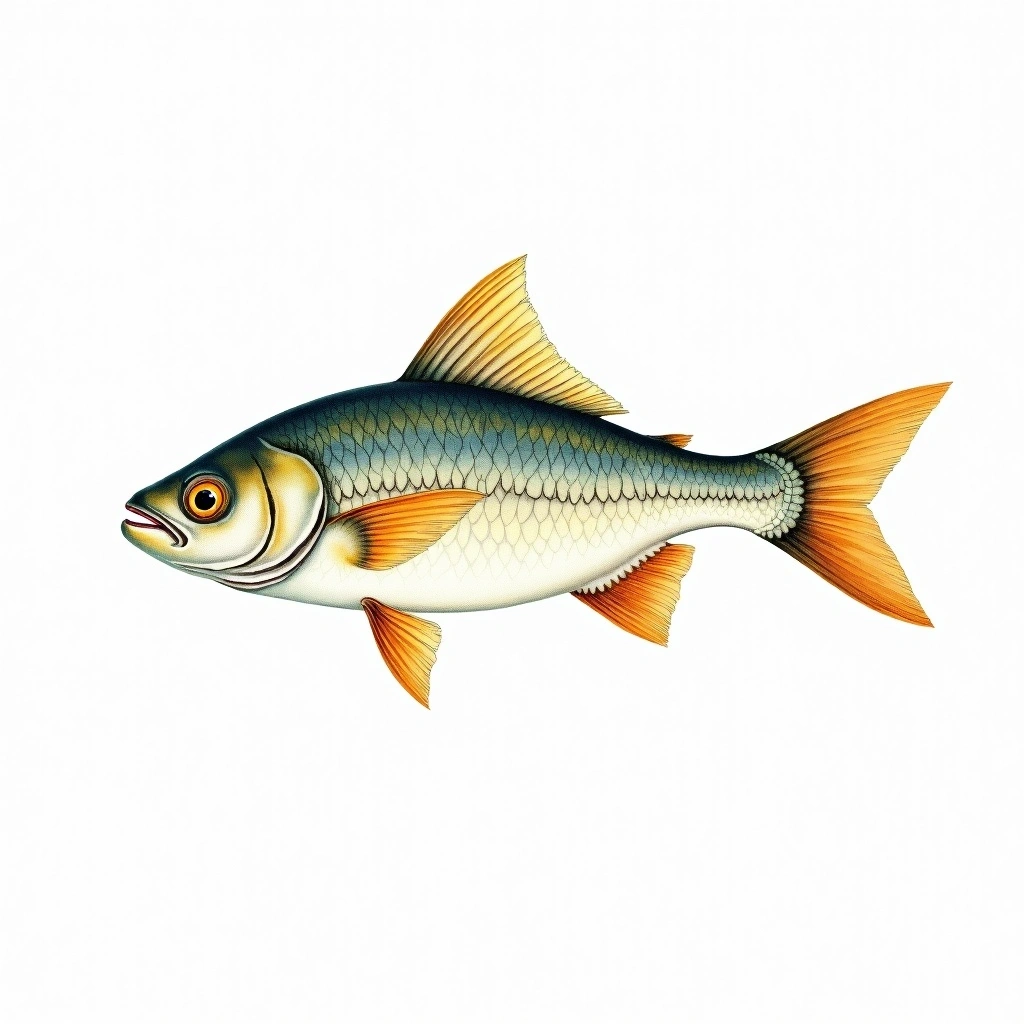
Sardine du Pacifique
Sardinops sagax
Embed This Widget
Add the script tag and a data attribute to embed this widget.
<script src="https://cdn.jsdelivr.net/npm/fishfyi-embed@1/dist/embed.min.js" defer></script>
<div data-fishfyi="fish" data-slug="south-american-pilchard"></div>Embed via iframe for maximum compatibility.
<iframe src="https://fishfyi.com/iframe/fish/south-american-pilchard/" width="420" height="400" frameborder="0" style="border:0;border-radius:10px;max-width:100%" loading="lazy"></iframe>Paste this URL in WordPress, Medium, or any oEmbed-compatible platform.
https://fishfyi.com/fish/south-american-pilchard/Add a dynamic SVG badge to your README or docs.
[](https://fishfyi.com/fish/south-american-pilchard/)Use the native HTML custom element.
<script src="https://cdn.jsdelivr.net/npm/fishfyi-embed@1/dist/embed.min.js" defer></script>
<fishfyi-fish slug="south-american-pilchard"></fishfyi-fish>Overview
Sardine du Pacifique (Sardinops sagax) is a marine fish of the family Clupeidae (Herrings and sardines), in the order Clupeiformes. Maximum recorded length is 40 cm, with a maximum published weight of 0.5 kg. Its recorded depth range is 0–200 m. Recorded habitats include neritic. The IUCN Red List assesses the species as Least Concern.
On this page
À propos
The pilchard, or sardine, is a schooling pelagic fish that forms massive bait balls pursued by predators from tuna to dolphins. The annual Sardine Run off South Africa is one of the greatest marine spectacles, rivaling the Serengeti migration.
Physical Description
| Measurement | Value |
|---|---|
| Maximum Length | 40,0 cm |
| Maximum Weight | 0,5 kg |
| Plage de profondeur | 0-200m |
Coloration
Metallic blue-green back with bright silver flanks; one to three rows of dark spots along the upper flanks; belly silvery-white; thin fragile scales; fins clear to pale; operculum with radiating ridges.
Habitat & Distribution
Neritic
Aire de répartition
Eastern Pacific from Alaska south to Chile, and eastern Indian Ocean off southern Africa and South Australia. Upwelling-driven populations in the Humboldt, Benguela, and Leeuwin current systems; forms enormous pelagic shoals.
Conservation Status
Sardine du Pacifique is classified as Least Concern by the International Union for Conservation of Nature (IUCN).
Comestibilité et gastronomie
Taxonomy
| Ordre | Clupeiformes (Herrings & Sardines) |
| Famille | Clupeidae (Herrings and sardines) |
| Espèces | Sardinops sagax |
Names in Other Languages
| Language | Name |
|---|---|
| French | Sardine du Pacifique |
| Spanish | Sardina del Pacífico |
Foire aux questions
Can you eat Sardine du Pacifique?
How big does Sardine du Pacifique get?
Where is Sardine du Pacifique found?
Is Sardine du Pacifique endangered?
What family does Sardine du Pacifique belong to?
Similar Fish
Other species in the Clupeidae family
External Databases
Explore More
Fish Rankings
Discover the largest, heaviest, and most exciting fish species
Nature FYI Family
Explore more wildlife and biodiversity encyclopedias