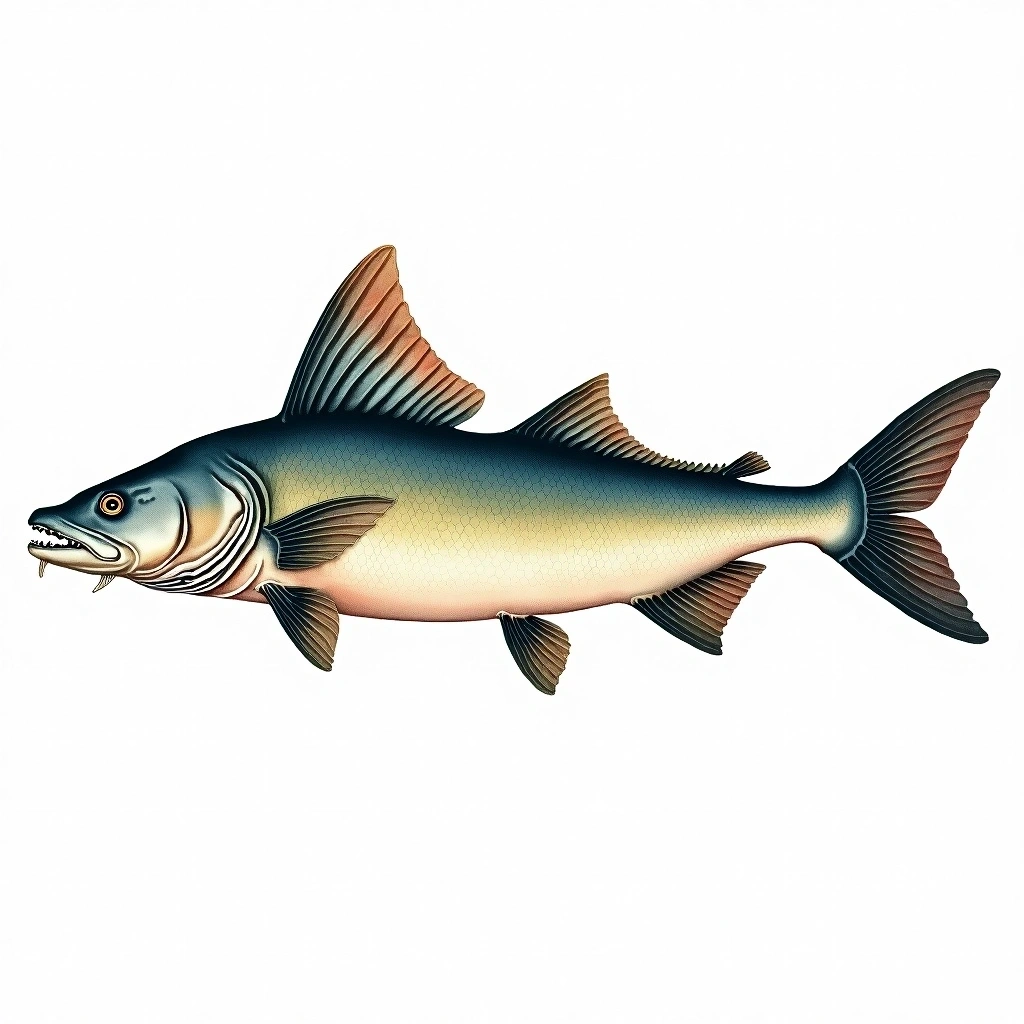
Pirarucu
Arapaima gigas
Embed This Widget
Add the script tag and a data attribute to embed this widget.
<script src="https://cdn.jsdelivr.net/npm/fishfyi-embed@1/dist/embed.min.js" defer></script>
<div data-fishfyi="fish" data-slug="arapaima"></div>Embed via iframe for maximum compatibility.
<iframe src="https://fishfyi.com/iframe/fish/arapaima/" width="420" height="400" frameborder="0" style="border:0;border-radius:10px;max-width:100%" loading="lazy"></iframe>Paste this URL in WordPress, Medium, or any oEmbed-compatible platform.
https://fishfyi.com/fish/arapaima/Add a dynamic SVG badge to your README or docs.
[](https://fishfyi.com/fish/arapaima/)Use the native HTML custom element.
<script src="https://cdn.jsdelivr.net/npm/fishfyi-embed@1/dist/embed.min.js" defer></script>
<fishfyi-fish slug="arapaima"></fishfyi-fish>Overview
One of the largest freshwater fish on Earth, the arapaima can reach 4.5 metres and 200 kilograms in the varzea floodplain lakes and river channels of the Amazon. An obligate air-breather, it rises every ten to twenty minutes to gulp air through a modified, lung-like swim bladder, an adaptation to warm, oxygen-poor water. Its dark olive body flushes vivid red-orange along the posterior flanks, and its bony tongue crushes prey against the roof of the mouth. Native to Brazil, Peru, Guyana, and Bolivia, the species yields large, firm white fillets that have long been an Amazonian staple, salted and dried. Listed as Data Deficient, it is now taken only under tightly regulated, sustainable harvest, and remains a coveted quarry for anglers using large lures and cut bait.
On this page
À propos
The arapaima is one of the largest freshwater fish in the world, reaching up to 4.5 meters. An obligate air-breather, it must surface every 10-20 minutes to gulp air. Its tongue is bony and used to crush prey against the roof of its mouth.
Physical Description
| Measurement | Value |
|---|---|
| Maximum Length | 450,0 cm |
| Maximum Weight | 200,0 kg |
Coloration
Dark olive-gray to grayish-black back with large scales that become vivid red-orange with black borders on the posterior flanks; belly pale cream; caudal fin reddish and rounded.
Habitat & Distribution
Floodplain lakes (várzea) and large river channels of the Amazon basin. Slow-moving, shallow, warm freshwater (26-30°C). An obligate air-breather; rises to surface to gulp air. Largest freshwater fish by weight.
Aire de répartition
Restricted to the Amazon River basin in Brazil, Peru, Guyana, and Bolivia. Inhabits flooded várzea lakes, oxbows, and large river channels; surfaces frequently to breathe air using a modified swim bladder.
Pays
Distribution Map
Conservation Status
Pirarucu is classified as Data Deficient by the International Union for Conservation of Nature (IUCN).
Comestibilité et gastronomie
Informations sur la pêche
Saisons de pêche
Taxonomy
| Ordre | Osteoglossiformes (Bony-tongued fishes) |
| Famille | Arapaimidae (Bonytongues) |
| Espèces | Arapaima gigas |
Names in Other Languages
| Language | Name |
|---|---|
| French | Pirarucu |
| Spanish | Paiche |
Foire aux questions
Can you eat Pirarucu?
How big does Pirarucu get?
Where is Pirarucu found?
Is Pirarucu endangered?
What family does Pirarucu belong to?
Similar Fish
Other species in the Arapaimidae family
External Databases
Explore More
Fish Rankings
Discover the largest, heaviest, and most exciting fish species
Nature FYI Family
Explore more wildlife and biodiversity encyclopedias