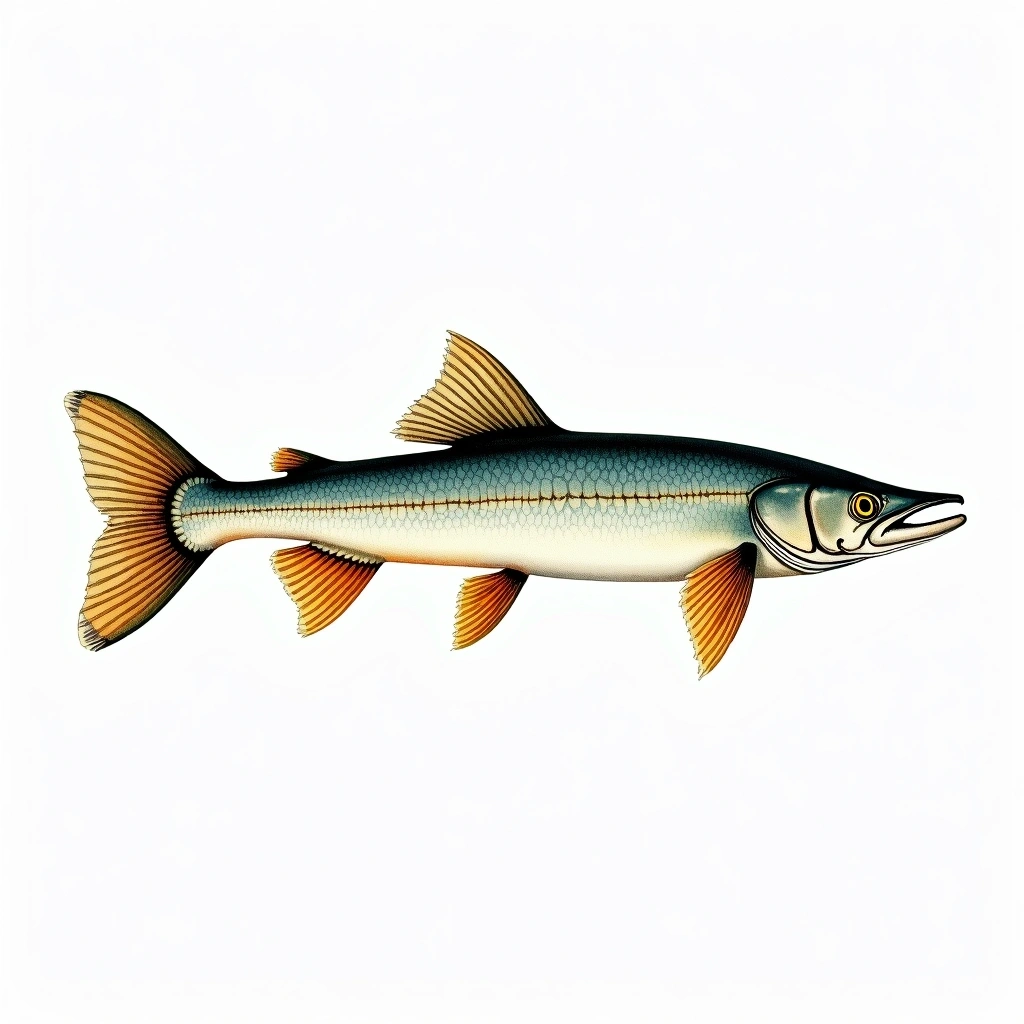
Muskellunge
Esox masquinongy
Embed This Widget
Add the script tag and a data attribute to embed this widget.
<script src="https://cdn.jsdelivr.net/npm/fishfyi-embed@1/dist/embed.min.js" defer></script>
<div data-fishfyi="fish" data-slug="muskellunge"></div>Embed via iframe for maximum compatibility.
<iframe src="https://fishfyi.com/iframe/fish/muskellunge/" width="420" height="400" frameborder="0" style="border:0;border-radius:10px;max-width:100%" loading="lazy"></iframe>Paste this URL in WordPress, Medium, or any oEmbed-compatible platform.
https://fishfyi.com/fish/muskellunge/Add a dynamic SVG badge to your README or docs.
[](https://fishfyi.com/fish/muskellunge/)Use the native HTML custom element.
<script src="https://cdn.jsdelivr.net/npm/fishfyi-embed@1/dist/embed.min.js" defer></script>
<fishfyi-fish slug="muskellunge"></fishfyi-fish>Overview
Known as the fish of ten thousand casts for its elusiveness, the muskellunge is the largest member of the pike family and a formidable freshwater ambush predator. Pale silver-green with variable dark bars or spots and a deeply forked tail, it reaches nearly two metres in large, clear lakes and rivers from the Great Lakes to the upper Mississippi and St. Lawrence. It lurks among vegetated bays and backwaters in summer, striking prey with explosive acceleration. Its lean, firm white meat is edible but complicated by an intricate bone structure, so most fish are released by sport anglers who cast large bucktails and jerkbaits. The species is assessed as Least Concern.
On this page
About
The muskellunge, or 'muskie,' is called the 'fish of 10,000 casts' due to its elusive nature. The largest member of the pike family, it is a powerful ambush predator found in clear lakes and rivers of the northern United States and Canada.
Physical Description
| Measurement | Value |
|---|---|
| Maximum Length | 183.0 cm |
| Maximum Weight | 36.0 kg |
Coloration
Light silver-green to pale olive-gray body with dark vertical bars or spots that vary by region; white to cream belly; tail fin distinctly forked with pointed lobes, often mottled.
Habitat & Distribution
Large, clear lakes and rivers from Great Lakes to St. Lawrence, upper Mississippi, and Great Lakes tributaries. Prefers vegetated bays and backwaters in summer; open water in winter. Ambush predator.
Geographic Range
Native to the Great Lakes drainage, upper Mississippi River basin, and associated river systems of the midwestern United States and southern Canada. Prefers large, clear, cool lakes and slow-moving rivers.
Conservation Status
Muskellunge is classified as Least Concern by the International Union for Conservation of Nature (IUCN).
Edibility & Culinary
Fishing Information
Fishing Seasons
Taxonomy
| Order | Esociformes (Pikes) |
| Family | Esocidae (Pikes) |
| Species | Esox masquinongy |
Names in Other Languages
| Language | Name |
|---|---|
| Spanish | Muskellunge |
Frequently Asked Questions
Can you eat Muskellunge?
How big does Muskellunge get?
Where is Muskellunge found?
Is Muskellunge endangered?
What family does Muskellunge belong to?
Similar Fish
Other species in the Esocidae family
External Databases
Explore More
Fish Rankings
Discover the largest, heaviest, and most exciting fish species
Nature FYI Family
Explore more wildlife and biodiversity encyclopedias